Grease Trap Cleaning in Largo, FL
Largo requires food service interceptors to be emptied once every 30 operational days, with hauler records sent to the city every quarter.
- Quotes by phone
- Published price ranges
- Signed manifest every visit
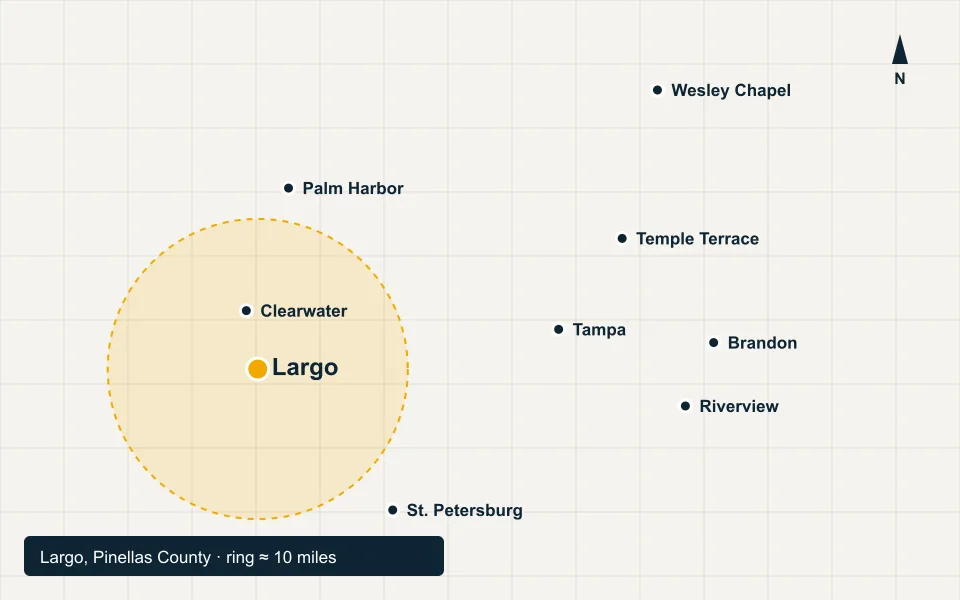
- Serving Pinellas County
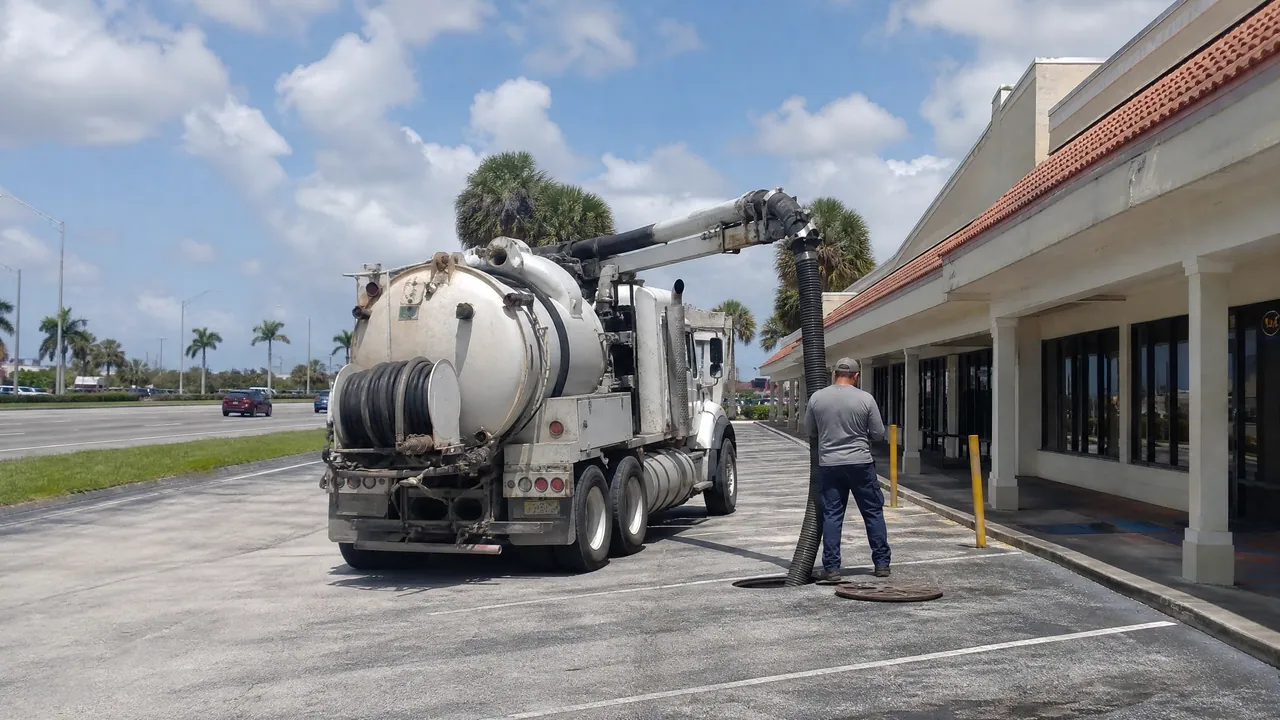
Grease Trap Cleaning Tampa cleans grease traps and pumps grease interceptors for restaurants and commercial kitchens in Largo, along Ulmerton Road, East Bay Drive, West Bay Drive, Missouri Avenue and the US-19 corridor. Grease trap cleaning in Largo follows the city's own wastewater rules (City Code Sec. 23-120), with a monthly-style interval measured in operating days.
Where Largo kitchens get caught out
-
Every 30 operational days
Interceptors have to be emptied once every 30 days the facility operates, unless the city approves a different frequency.
-
Records every quarter
Hauler service records stay on site at least 12 months and go to the city each quarter.
-
A wastewater permit
Food service facilities hold a Commercial Wastewater Discharge Permit, billed annually on an October–September cycle.
-
Shared interceptors
In a plaza, the code makes the person who controls the interceptor or owns the property responsible for it.
Grease trap services in Largo
-
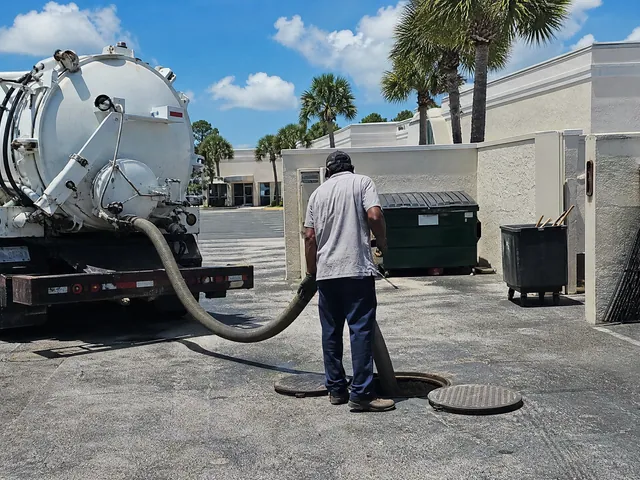
Grease Interceptor Pumping
Outdoor interceptors pumped to empty, scraped and documented on the schedule your city or county enforces.
Details -
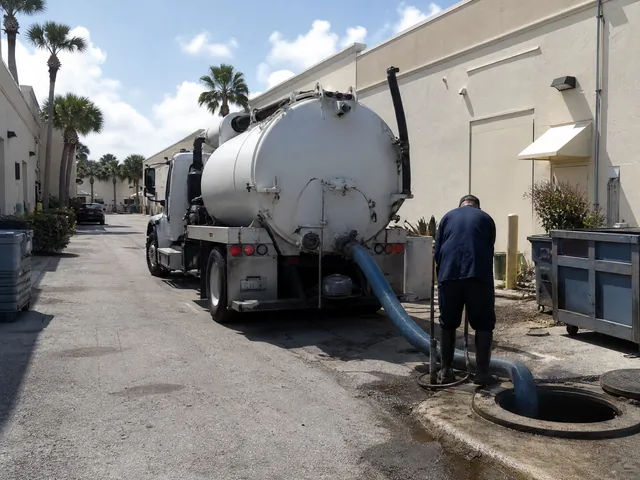
Shared Grease Interceptor Service
One interceptor, several restaurants: one schedule set by the heaviest user, with records landlords and tenants can both use.
Details -
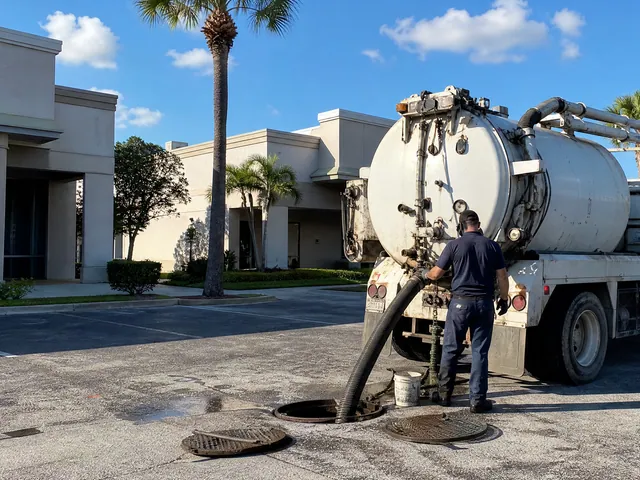
Grease Trap Maintenance Plans
Scheduled pumping set by your jurisdiction's rule and how fast your unit actually fills, with the paperwork kept straight.
Details -
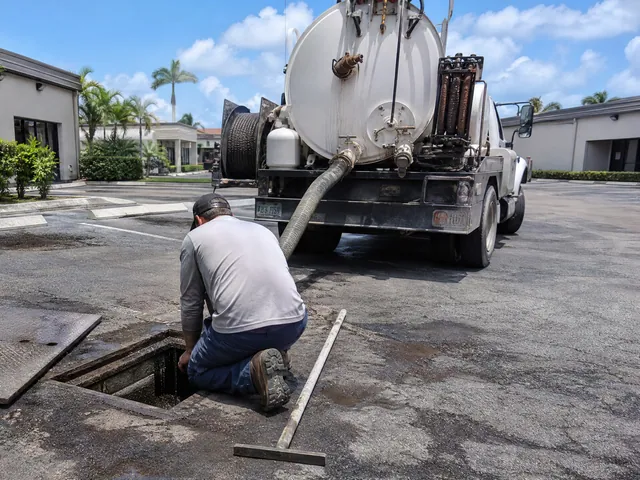
Grease Trap Inspection
A written check of the trap, its fittings and your records before an inspector or a buyer finds the problem.
Details
Grease trap rules for Largo kitchens
Largo treats its own wastewater and permits commercial dischargers, including food service facilities, under City Code Sec. 23-120. In July 2026 the city moved Commercial Wastewater Discharge Permit billing to a single annual cycle from October 1 to September 30, aligned with the business tax receipt, with prorated fees for new users (Ordinance 2026-23). The city has also enforced an in-ground interceptor requirement for food service facilities consistently for years.
The general requirement is that every food service facility removes the entire contents of its grease interceptor once every 30 operational days. Operational days are the days the kitchen actually runs, so a kitchen closed one day a week gets a little longer in calendar time. The city can approve an alternate frequency. Its documentation-of-service form calls for a complete pump-out, hauler records kept on site for at least 12 months and submitted quarterly, and treats returning gray water to the interceptor as a violation. Heating trap contents to flush them into the sewer is specifically prohibited.
Many Largo restaurants share an interceptor in a strip plaza along Ulmerton Road, East Bay Drive or Missouri Avenue. Largo's code settles who is responsible: the person who owns or takes control of the interceptor, or the owner of the property it sits on. If you're a tenant in a shared plaza, find out who books the pump-outs before the quarterly records are due. See shared grease interceptor service.
How a Largo pump-out works
-
Step 1: First call
Tell us the kitchen's address, what kind of unit you have, and when it was last pumped. We tell you which rule applies and give a price range on the phone.
-
Step 2: On-site check
We open the lids, measure grease and solids depth, and look at the baffles, tees and outlet. Ask for a written quote before work starts.
-
Step 3: Full pump-out
The unit is pumped to empty, walls and baffles are scraped, and the inlet and outlet are checked for flow.
-
Step 4: Manifest and schedule
You get a signed manifest for your logbook and a suggested date for the next visit, set by your rule and how fast the unit filled.
Why Largo kitchens call us
-
Pumped to empty, every time
No decanting, no skimming, no water returned to the tank. That's state law, and it's the only way a pump-out actually resets the 25% clock.
-
Your rule, not a generic one
Tampa, Hillsborough County, Pinellas County, St. Pete, Clearwater, Largo and Pasco each set different limits. Your schedule follows the one that governs your address.
-
Paperwork an inspector accepts
Signed manifest, measured depths and written notes on anything broken, ready for your logbook.
-
Prices you can see first
Published price ranges on this site, with the evidence behind each one, and a price range on the phone. Ask for a written quote before work starts.
Where we work in Largo
Largo neighborhoods we cover
- Downtown / West Bay Drive
- Ridgecrest
- Highpoint
Near these landmarks
- Largo Central Park
- Largo Mall
How we reach you
- Ulmerton Rd
- East Bay Dr
- Missouri Ave
- US-19
Largo grease trap questions
How often does a grease interceptor have to be pumped in Largo?
What does "operational days" mean?
How much does grease trap cleaning cost in Largo?
Who is responsible for a shared interceptor in a Largo plaza?
What records does Largo want?
Rules and costs for Largo
- How Much Does Grease Interceptor Pumping Cost? (Tampa Bay, 2026)Per-visit ranges by tank size, the per-gallon public-contract benchmark, and what your city or county's pumping rule does to the annual bill.
- What Grease Trap Records and Manifests Does Florida Require?What a valid service manifest contains, who signs it, and the record-keeping rules that sit on top of it in each Tampa Bay program.
- How Often Should a Grease Trap Be Cleaned in Tampa Bay?Nine rule sets in one metro. Find the one your kitchen drains into, then check it against how fast your unit actually fills.
Nearby service areas
Get a Largo quote
Two quick steps. We call you back with a price range.
Faster by phone: (727) 476-9241