Grease Trap Cleaning in St. Petersburg, FL
St. Petersburg runs its own grease program: a Grease Discharge Permit, monthly interceptor pumping and a quarterly report. A report filed more than 30 days late costs $50.
- Quotes by phone
- Published price ranges
- Signed manifest every visit
- Serving Pinellas County
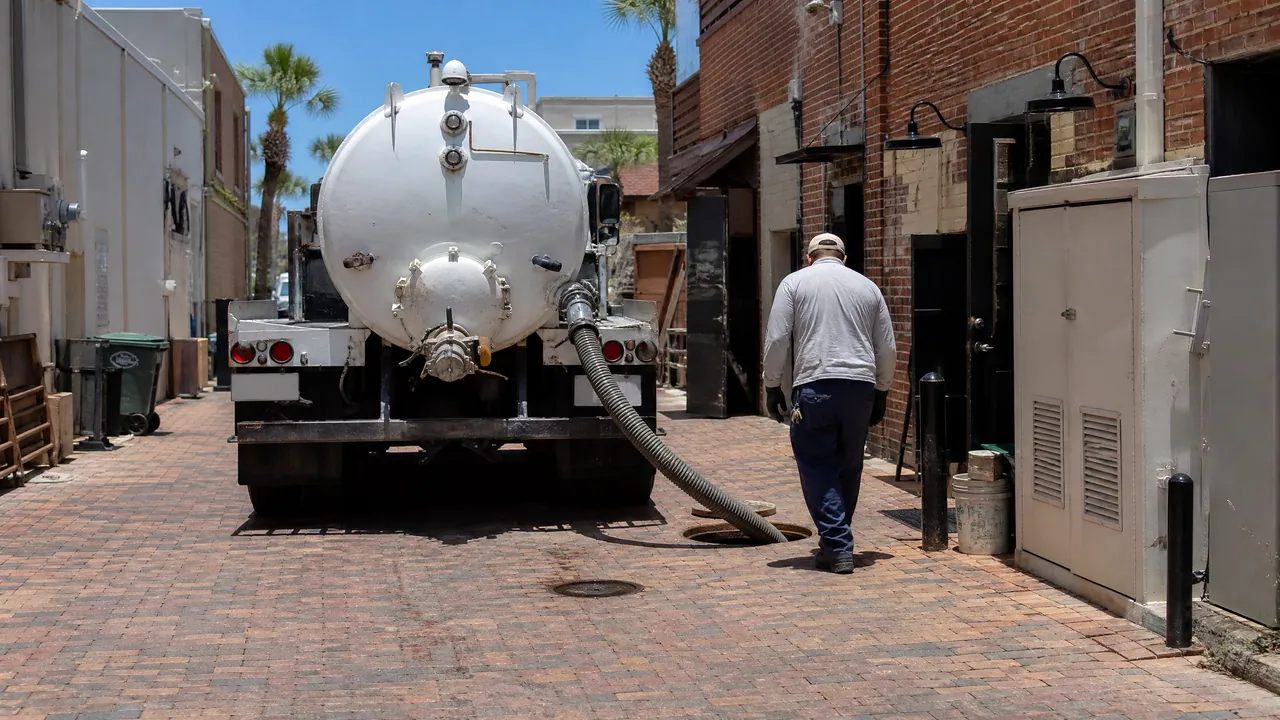
Grease Trap Cleaning Tampa cleans grease traps and pumps grease interceptors for restaurants, bars and commercial kitchens in St. Petersburg, from Beach Drive and Central Avenue to Tyrone and the Edge District. Grease trap cleaning in St. Petersburg runs on the city's own Grease Management Program, not Pinellas County's, and it is one of the most paperwork-heavy programs in the bay area.
Where St. Pete kitchens get caught out
-
Monthly, not quarterly
The city's FOG manual requires interceptors to be pumped by a permitted hauler at least once a month.
-
A quarterly report
Pump-outs and repairs go on a city form every quarter. More than 30 days late is a $50 fee.
-
Inspections without notice
The city says you may or may not be told ahead of time, and refusing an inspector access is itself a violation.
-
Re-inspections billed
Deficiencies not fixed by the re-inspection date are billed for that visit and every one after it.
Grease trap services in St. Petersburg
-
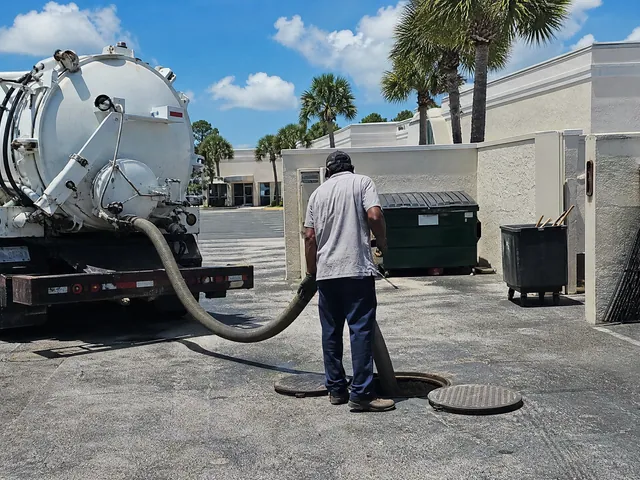
Grease Interceptor Pumping
Outdoor interceptors pumped to empty, scraped and documented on the schedule your city or county enforces.
Details -
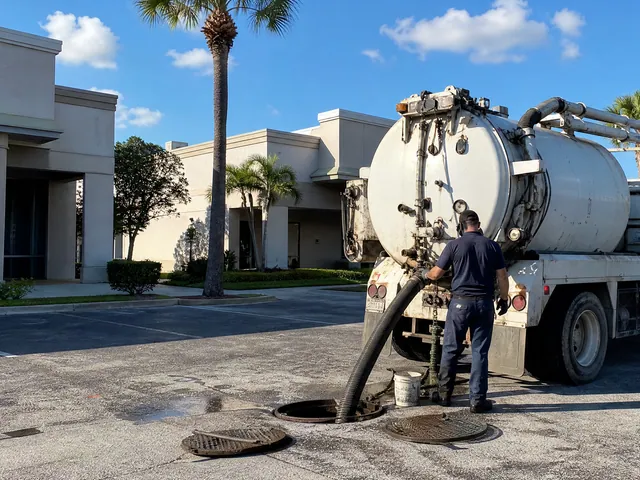
Grease Trap Maintenance Plans
Scheduled pumping set by your jurisdiction's rule and how fast your unit actually fills, with the paperwork kept straight.
Details -
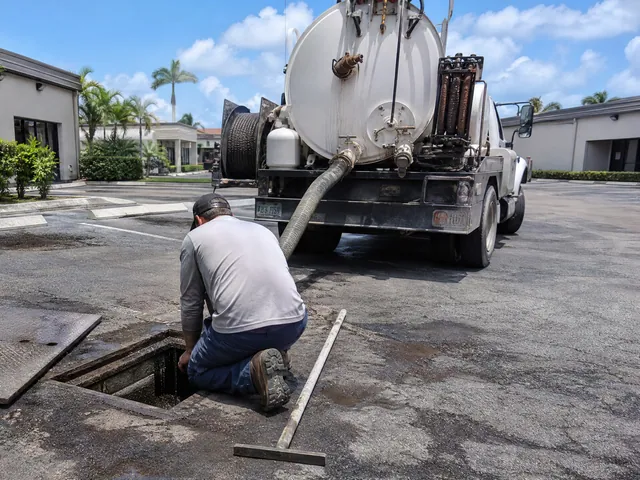
Grease Trap Inspection
A written check of the trap, its fittings and your records before an inspector or a buyer finds the problem.
Details -
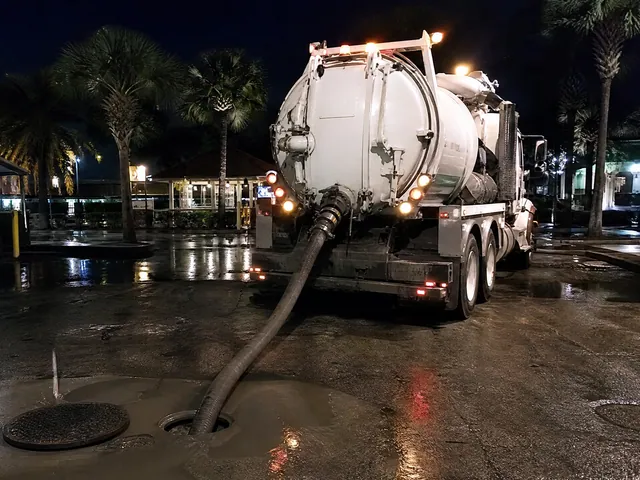
Emergency Grease Trap Pumping
Overflowing trap, backed-up floor drains or a violation deadline. Call, and here's what to do while you wait.
Details
Grease trap rules for St. Petersburg kitchens
St. Petersburg amended its sewer use ordinance in June 2002 to require grease removal devices in every food service facility, along with regular cleaning and reporting. The city's Water Resources Department runs the program through a Grease Discharge Permit with a three-year term, at least one inspection a year, and an annual permit invoice. The city's own FOG manual cites up to 35 recorded sewer blockages a month, many caused by grease. The city has said the grease ordinance is being revised to reflect Florida's 2022 grease-waste statute, so check the current text with the Grease Management Program at (727) 892-5622.
Under the city's FOG manual, under-sink traps are cleaned at least weekly and recorded in a bound logbook, with a written cleaning protocol kept on file. Interceptors are pumped out and cleaned by a permitted hauler at least once a month. A variance from the monthly interval costs $275 and cannot exceed 180 days, and there is no variance for trap cleaning frequency. Every quarter, the facility files a city report showing when the interceptor was serviced or repaired, who did it, and how the pump-out was done.
Downtown and Central Avenue kitchens often have limited rear access, tight alleys and metered street parking, so booking pump-outs before deliveries and the lunch rush keeps the visit short. Crews reach downtown on I-275 and the I-375 and I-175 spurs, and the 34th Street (US-19) corridor and Tyrone along Tyrone Boulevard. Because the program asks for quarterly reports, the manifest from every monthly visit matters as much as the pump-out itself.
How a St. Petersburg pump-out works
-
Step 1: First call
Tell us the kitchen's address, what kind of unit you have, and when it was last pumped. We tell you which rule applies and give a price range on the phone.
-
Step 2: On-site check
We open the lids, measure grease and solids depth, and look at the baffles, tees and outlet. Ask for a written quote before work starts.
-
Step 3: Full pump-out
The unit is pumped to empty, walls and baffles are scraped, and the inlet and outlet are checked for flow.
-
Step 4: Manifest and schedule
You get a signed manifest for your logbook and a suggested date for the next visit, set by your rule and how fast the unit filled.
Why St. Petersburg kitchens call us
-
Pumped to empty, every time
No decanting, no skimming, no water returned to the tank. That's state law, and it's the only way a pump-out actually resets the 25% clock.
-
Your rule, not a generic one
Tampa, Hillsborough County, Pinellas County, St. Pete, Clearwater, Largo and Pasco each set different limits. Your schedule follows the one that governs your address.
-
Paperwork an inspector accepts
Signed manifest, measured depths and written notes on anything broken, ready for your logbook.
-
Prices you can see first
Published price ranges on this site, with the evidence behind each one, and a price range on the phone. Ask for a written quote before work starts.
Where we work in St. Petersburg
St. Petersburg neighborhoods we cover
- Downtown / Beach Drive
- Grand Central District
- Edge District
- Kenwood
- Old Northeast
- Midtown
- Tyrone
Near these landmarks
- St. Pete Pier
- Tropicana Field
- The Dalí Museum
- Central Avenue
How we reach you
- I-275
- I-375
- I-175
- US-19 / 34th St N
- Central Ave
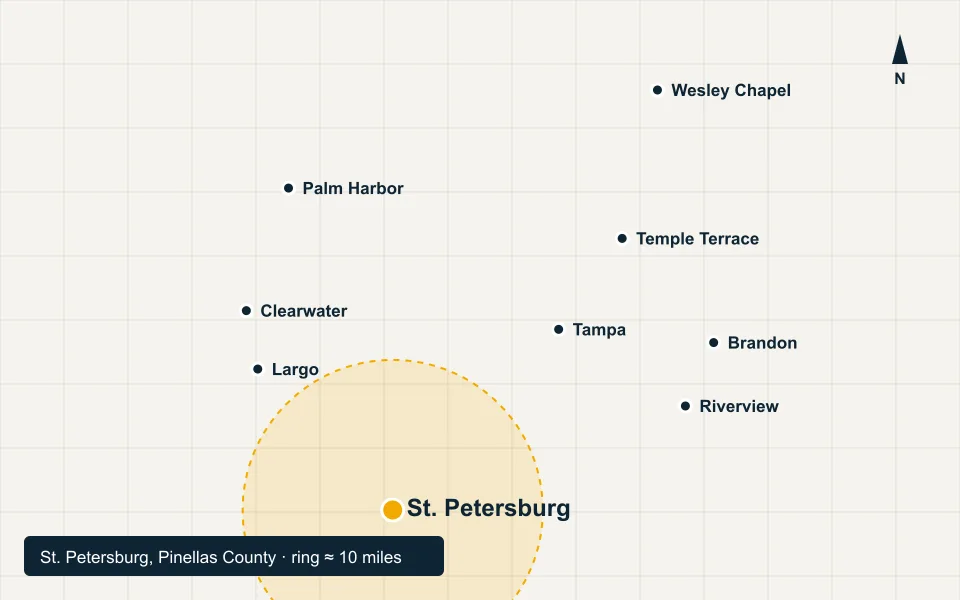
St. Petersburg grease trap questions
How often does a grease interceptor have to be pumped in St. Petersburg?
How much does grease trap cleaning cost in St. Petersburg?
What goes in the quarterly report?
Does Pinellas County's 30-day rule apply in St. Petersburg?
Who do I contact at the city about my grease permit?
Rules and costs for St. Petersburg
- How Much Does Grease Interceptor Pumping Cost? (Tampa Bay, 2026)Per-visit ranges by tank size, the per-gallon public-contract benchmark, and what your city or county's pumping rule does to the annual bill.
- How Often Should a Grease Trap Be Cleaned in Tampa Bay?Nine rule sets in one metro. Find the one your kitchen drains into, then check it against how fast your unit actually fills.
- What Is a St. Petersburg Grease Discharge Permit?What St. Petersburg's Grease Management Program asks of every food service facility, from the permit to the quarterly report.
Nearby service areas
Get a St. Petersburg quote
Two quick steps. We call you back with a price range.
Faster by phone: (727) 476-9241