Last updated:
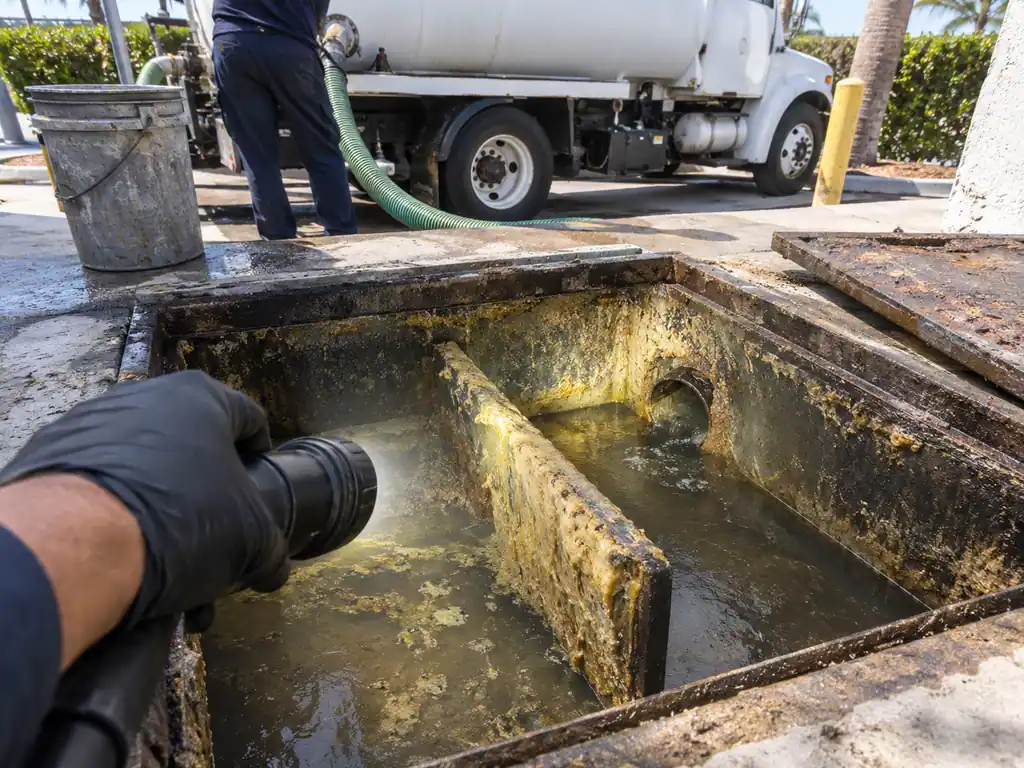
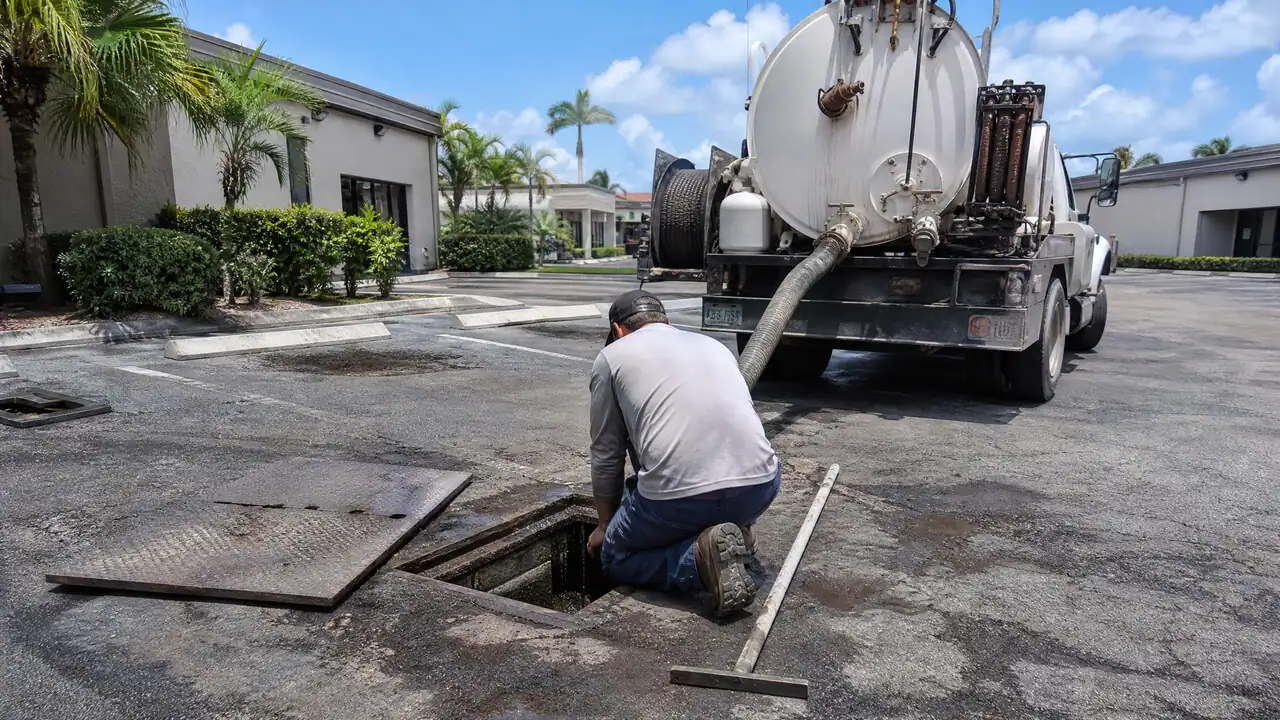
Grease Trap Cleaning Tampa carries out grease trap inspections for restaurants, landlords and buyers across Tampa, Hillsborough, Pinellas and Pasco. A grease trap inspection opens and measures the trap or interceptor, checks every fitting an inspector checks, reviews your logbook and manifests, and gives you a written report of what passes and what doesn't.
Two kinds of customer book one. Operators want to find problems before the City or County inspector does. Buyers and tenants want to know what they are taking on, because in the City of Tampa a sale or change of ownership is one of the triggers that lets the City require a new or upgraded trap.
What happens on the first visit
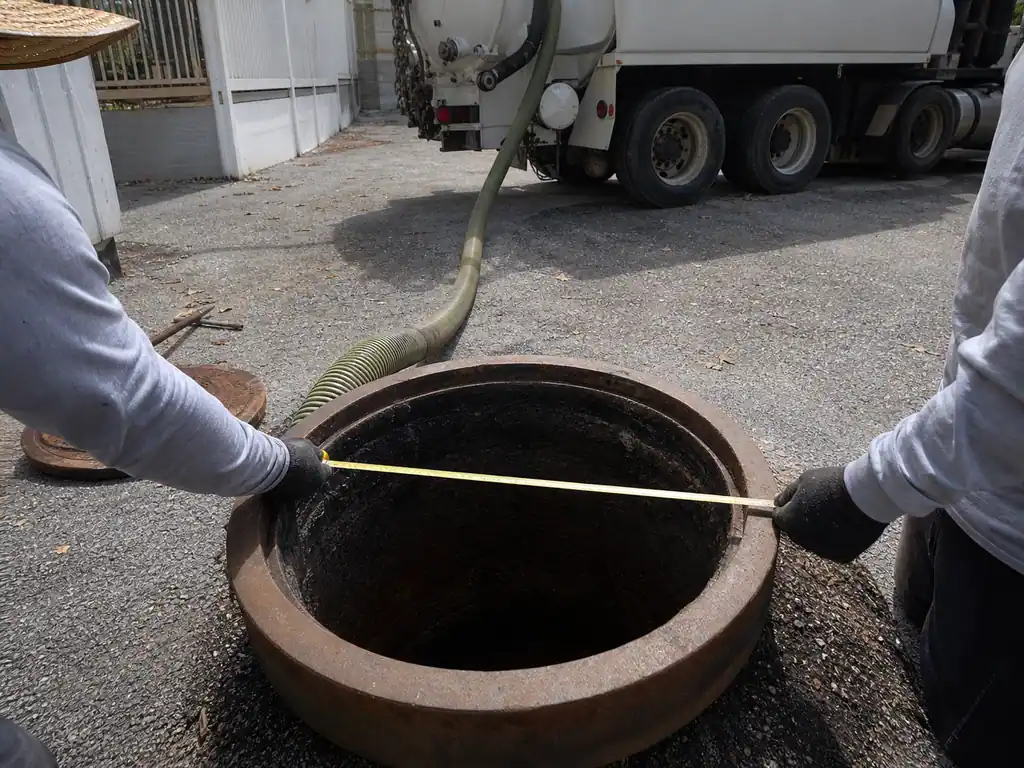
- Open and measure. Grease and solids depth against your jurisdiction's limit (25% in most programs, 20% in Pasco, 6 in grease and 8 in solids in Pinellas County).
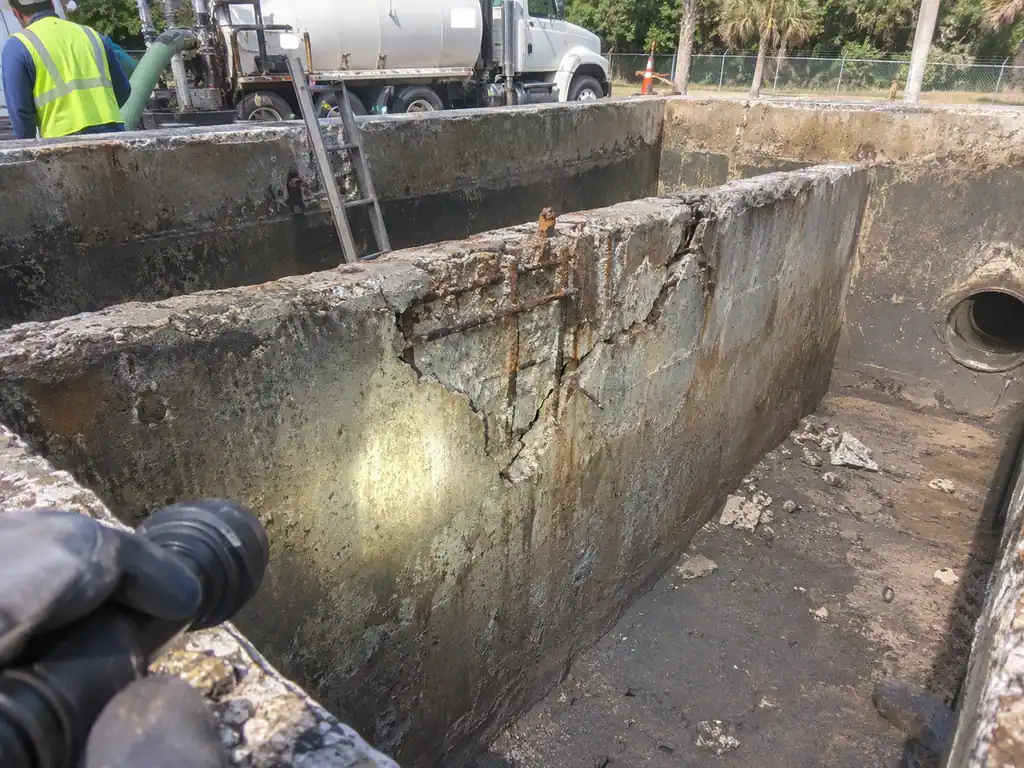
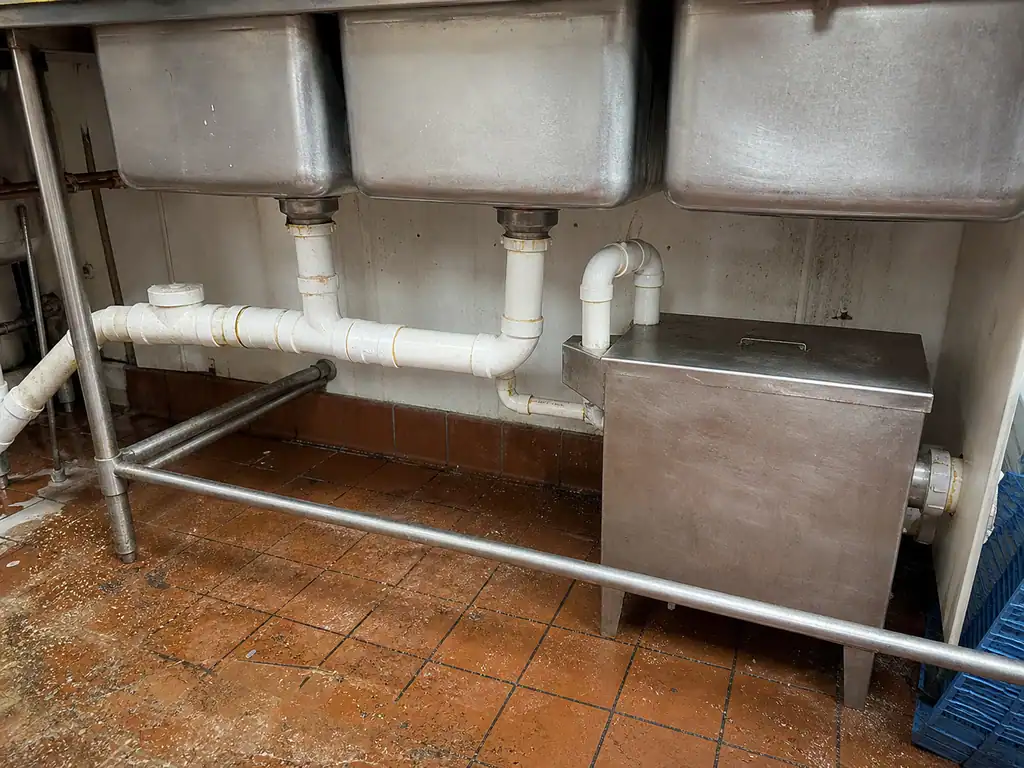
- Check the fittings. Baffles, inlet and outlet tees, lids and risers. On indoor traps, the flow-control device and the vent (Tampa requires the vent to end at least 6 inches above the flood rim).
- Check the connections. Every grease-producing fixture should drain through the unit, and no restroom waste may enter it.
- Review the records. Logbook, manifests and receipts against the retention period your program sets.
- Report. A written list of what passes, what fails, and what to fix first.
What a city or county inspector looks for
Local programs inspect on their own schedule. Hillsborough County runs scheduled and unannounced visits and may take wastewater samples. The City of Tampa inspects as often as it considers necessary, and St. Petersburg says the same. Inspectors open the unit, check its condition, and ask for your records. In St. Petersburg they also ask whether your staff follow the city's best-management practices. A pre-inspection runs the same checks first. See what grease trap inspectors look for.
Inspection before buying or leasing a restaurant
In the City of Tampa, the grease program can require an existing facility to install a new trap or interceptor, or repair a non-compliant one, when any of several conditions apply. These include a sale or change of ownership, remodelling that needs a plumbing permit, no trap at all, a defective trap, or grease levels in the wastewater above 400 mg/l (Tampa Code Sec. 26-306(b)(2)). A new 750–1,500 gallon interceptor costs $4,000–$8,500 installed, according to the City's own FAQ. That's worth knowing before you sign.
A pre-purchase inspection documents the trap's size, condition, connections and records so the cost lands in the negotiation, not on you after closing. See grease trap rules when buying a restaurant.
What's included
- Grease and solids depth measured
- Baffles, tees, lids and risers checked
- Flow-control device and vent checked on indoor traps
- Fixture connections and no-sanitary-waste check
- Logbook and manifests reviewed
- Written pass/fail report
- Fix-first list in priority order
- Pre-purchase findings for buyers and brokers
Pricing and payment
Inspections are priced per visit and quoted on the call, based on the number and type of units and whether a pump-out is done in the same visit. Ask for a written quote before any work starts. Prices on this site are typical market ranges, not quotes.