Skip to content

Commercial Kitchen Hydro Jetting in Tampa

Floor drains backing up when the dish machine runs? The grease has moved past the trap. Hydro jetting scours the line back to full bore.

  • Quotes by phone
  • Published price ranges
  • Signed manifest every visit
  • Hillsborough, Pinellas & Pasco
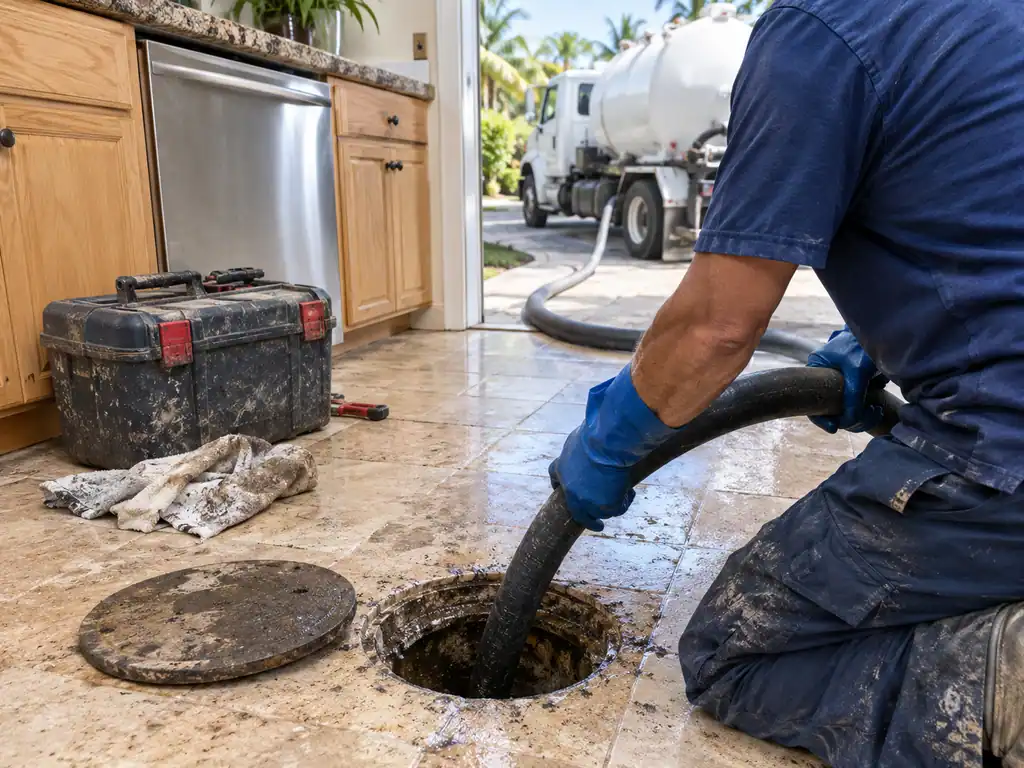
Hydro jetting hose fed into a kitchen floor cleanout to clear a restaurant grease line in Tampa

Last updated:

Grease Trap Cleaning Tampa provides commercial kitchen hydro jetting for restaurants and food service facilities across Tampa, Hillsborough, Pinellas and Pasco. Commercial kitchen hydro jetting sends high-pressure water through the grease lines between your sinks, floor drains, grease trap and sewer connection, cutting the hardened grease off the pipe walls instead of punching a hole through it.

Grease that gets past a full trap, or goes down a fixture that isn't connected to one, cools in the line and sets. Each layer narrows the pipe until dishwater backs up through the floor drains, usually mid-service.

What happens on the first visit

  1. Find the blockage. Which fixtures back up and when tells us whether the problem is before the trap, in it, or after it.
  2. Pump the trap first if it's full. Jetting pushes debris downstream, so a full trap gets pumped before and checked after.
  3. Jet the line. A jetting nozzle is run through the line from the cleanout, scouring the walls back to full bore.
  4. Check flow. Fixtures are run to confirm the line drains, and anything structural (a sag, a break, a bad connection) is noted in writing.

Hydro jetting vs snaking a grease line

A drain snake punches a hole through a grease clog and the drain flows again. The grease left on the pipe walls catches the next layer, so the clog comes back. Hydro jetting removes the coating from the whole circumference of the pipe. For kitchen grease lines, snaking is a quick fix and jetting is the actual cleaning. See hydro jetting vs snaking.

Why the trap and the line need to be handled together

Jetting upstream of the trap sends loosened grease into it, and a blocked outlet line can make a trap look full when it isn't. Handling both in one visit means the trap is pumped, the line is cleared and the trap is checked again, all on one manifest. If the backup started with an overflowing trap, see emergency grease trap pumping.

What's included

  • Blockage located before work starts
  • Trap pumped first if it is full
  • Line jetted from the cleanout
  • Grease scoured off the pipe walls, not punched through
  • Trap checked again after jetting
  • Fixtures run to confirm drainage
  • Written note of any structural defect
  • One manifest covering trap and line

Pricing and payment

Hydro jetting is priced per visit by line length, access and how heavily the line is coated. The band below comes from two Florida commercial contractors (Orlando and Miami), not Tampa Bay figures, so it carries medium confidence. Long main lines can run higher. Ask for a written quote before any work starts. Prices on this site are typical market ranges, not quotes.
What commercial kitchen hydro jetting costs in Tampa Bay

Typical market ranges per visit, with the strength of the evidence shown for each.

  • Commercial kitchen line hydro jetting

    $350–$900

    per visit, standard kitchen line

    Medium confidence

    Two Florida contractors: Orlando $350–$600 for the first hour; Miami $350–$900+ for standard commercial lines ($800–$1,500+ for long main lines). Florida, not Tampa Bay

What changes the price

  • Tank size and how full it is
  • Hose run and access from the truck
  • Disposal fee (sometimes included)
  • After-hours or emergency timing (+20–100%)

Estimate your annual cost

DIY vs the cheapest hauler vs doing it properly

Comparison of DIY, cheapest hauler and proper service
Factor Do it yourselfCheapest haulerDone properly
What's legal Small indoor traps only, with a written protocol (Tampa) or under 50 lb capacity (Hillsborough County)Pump-and-return is banned statewide, but still happensFull pump-out to empty, as Florida law and every local program require
What gets removed Floating grease you can scoopOften just the top layer and some waterFloating grease, gray water, bottom solids, and buildup scraped off walls and baffles
Paperwork Your own log entryA receipt, sometimesSigned manifest with volume, condition and disposal ticket number
Checked against the rule Rarely measuredNot measuredGrease and solids depth measured against your jurisdiction's limit
Problems spotted Only what you can seeUsually not reportedCracked baffles, missing tees and flow-control issues noted in writing
Real cost Staff time; risk of a failed inspectionLow price, then repeat clogs and re-inspection feesA known price per visit on the schedule your rule sets

How commercial kitchen hydro jetting works

  1. Step 1: First call

    Tell us the kitchen's address, what kind of unit you have, and when it was last pumped. We tell you which rule applies and give a price range on the phone.

  2. Step 2: On-site check

    We open the lids, measure grease and solids depth, and look at the baffles, tees and outlet. Ask for a written quote before work starts.

  3. Step 3: Full pump-out

    The unit is pumped to empty, walls and baffles are scraped, and the inlet and outlet are checked for flow.

  4. Step 4: Manifest and schedule

    You get a signed manifest for your logbook and a suggested date for the next visit, set by your rule and how fast the unit filled.

What the work looks like

Illustrative photos of the work described on this page.

  • Jetting hose fed into an open floor cleanout in a commercial kitchen
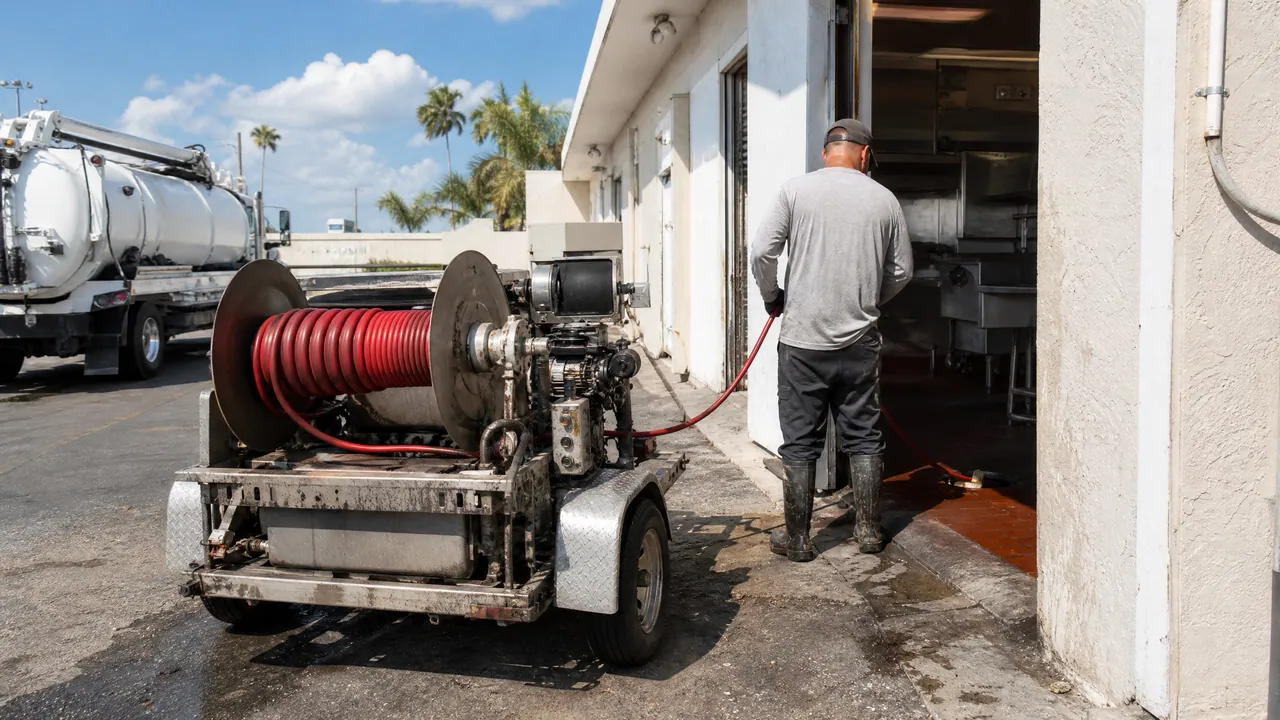
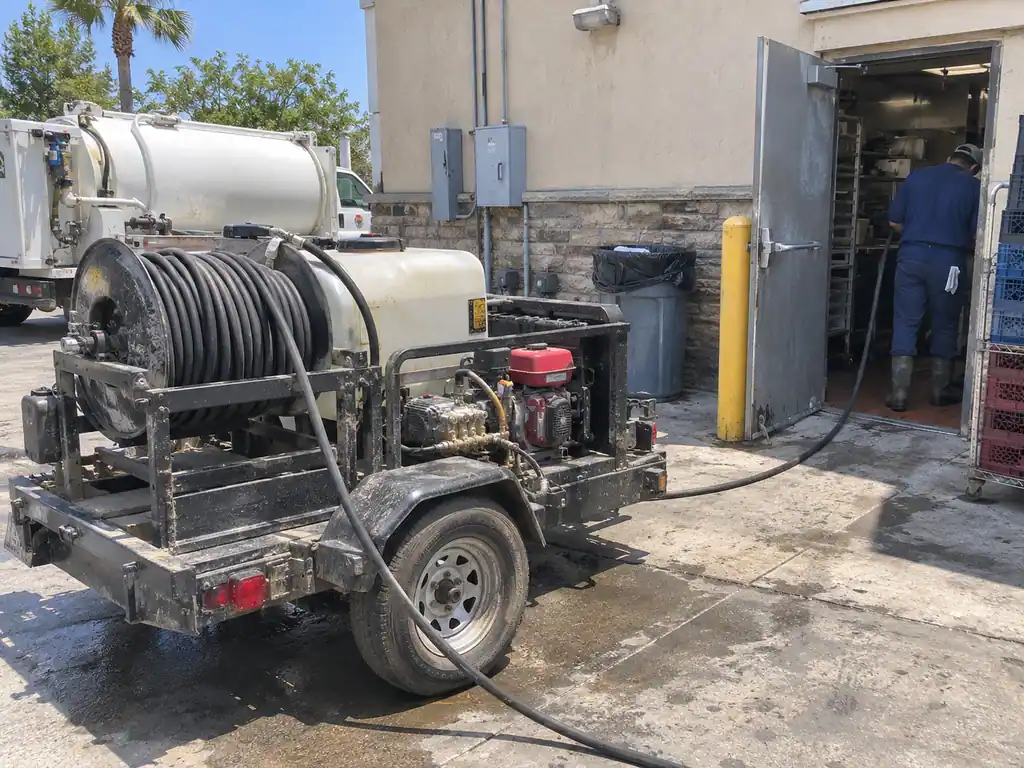
  • Unmarked trailer jetter with hose reel parked behind a restaurant
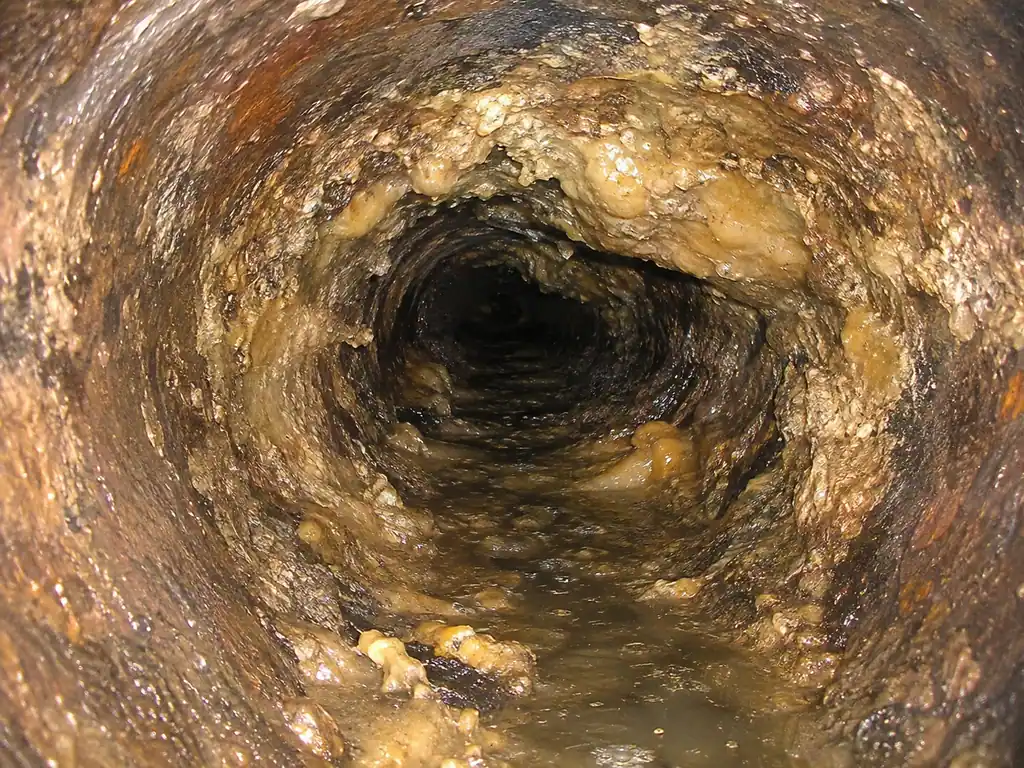
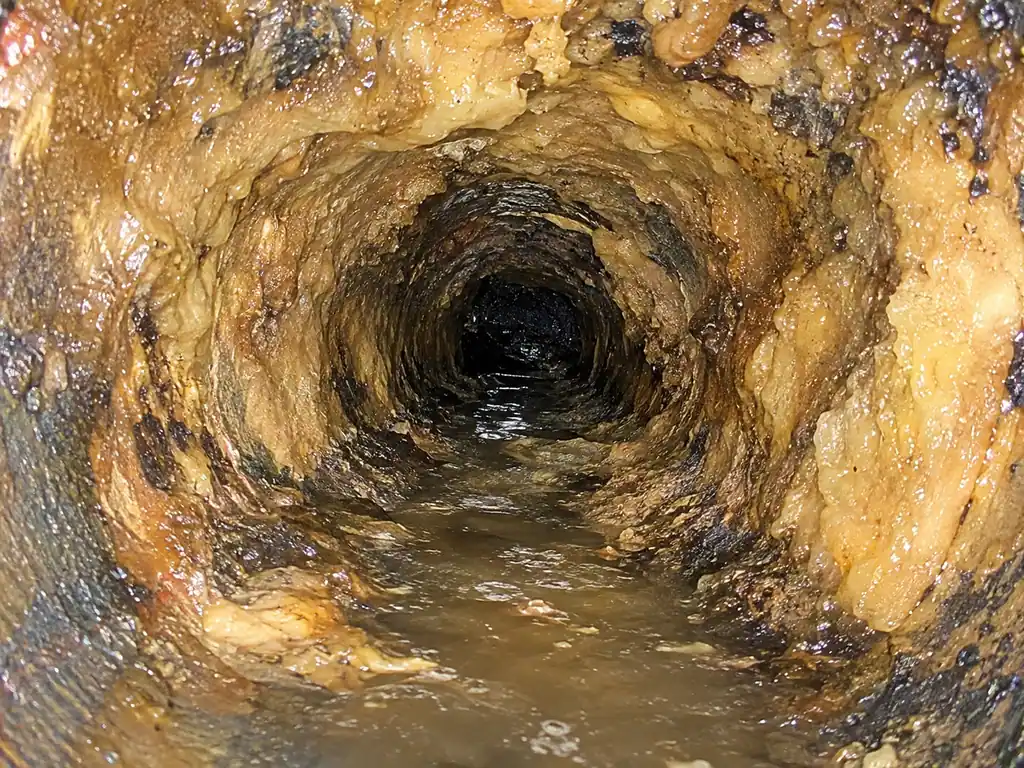
  • Inside view of a drain pipe narrowed by hardened grease before jetting
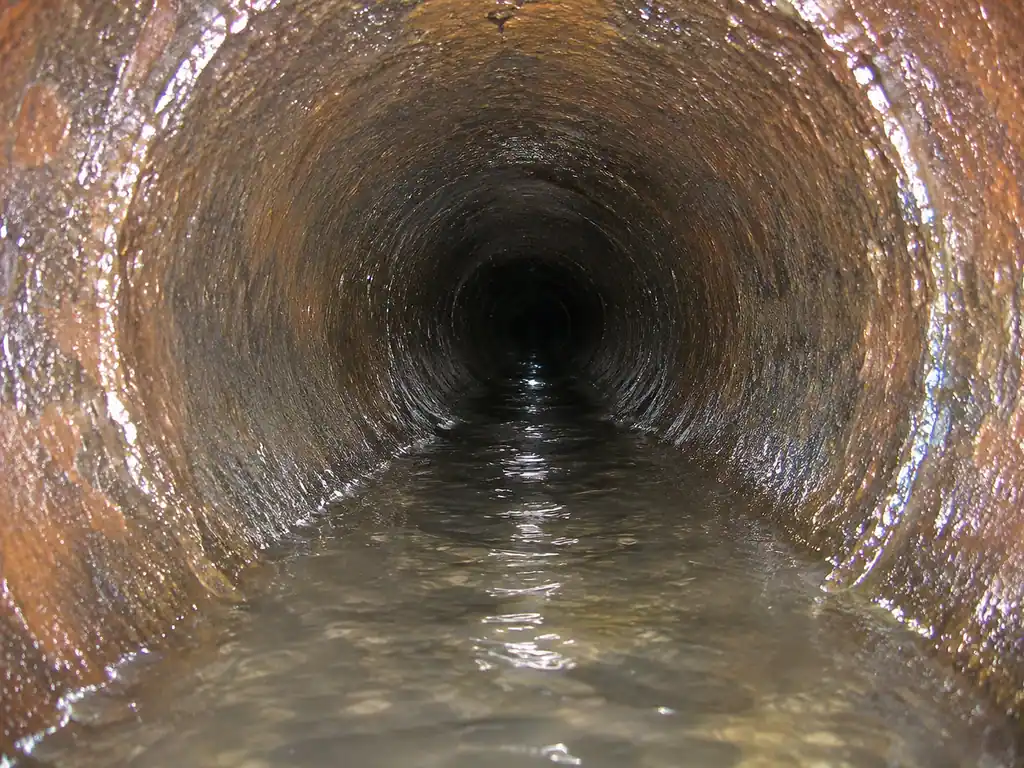
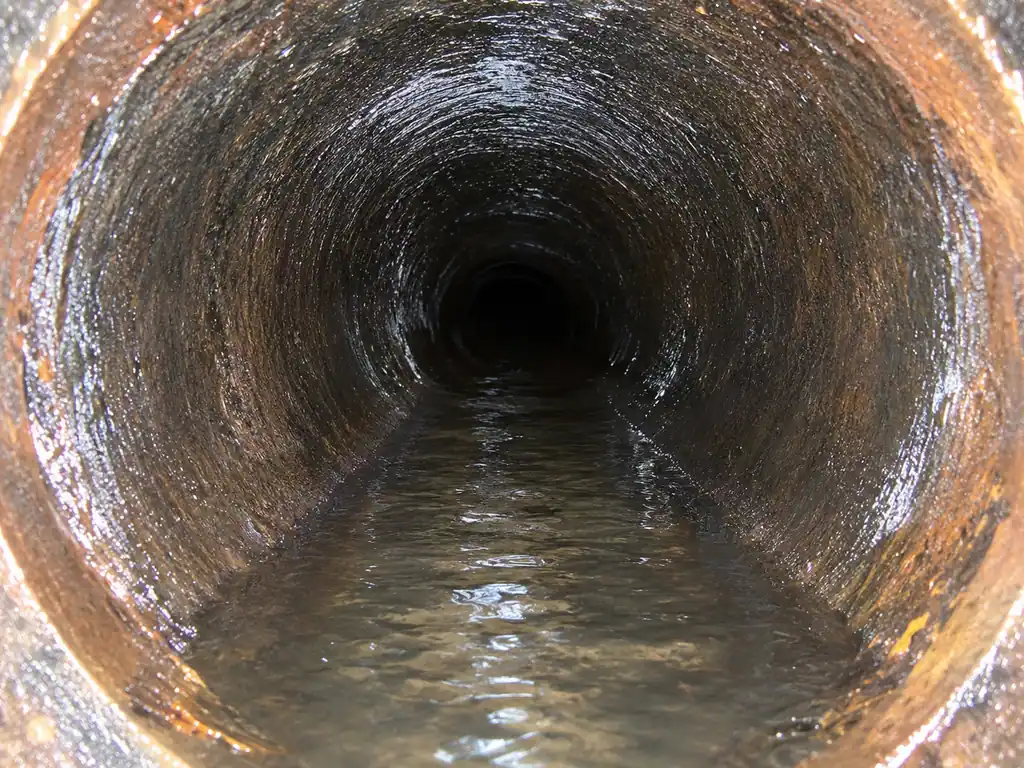
  • Inside view of a drain pipe after hydro jetting with the grease removed

Before and after

Illustrative photos showing the same unit before and after. Not a customer job.

Drain pipe interior narrowed by grease before hydro jetting
Before
The same drain pipe after hydro jetting, fully open
After

Commercial Kitchen Hydro Jetting questions

Why does my floor drain back up when the dish machine runs?

The line between the kitchen and the trap or sewer is narrowed by grease, so a big discharge from the dish machine can't get through. Jetting clears the line; pumping the trap alone won't. See floor drain backing up.

Will hydro jetting damage old pipes?

Pressure and nozzle are matched to the pipe, and lines that look fragile are checked before full pressure is used. A line with a break or a sag is noted in writing rather than forced.

How often do kitchen grease lines need jetting?

It depends on how well the trap is maintained and what goes down the drains. A line that needs jetting more than a couple of times a year usually points to a trap schedule or a connection problem.

How much does hydro jetting cost?

Typically $350–$900 per visit for a standard kitchen line, based on two Florida contractors (medium confidence). Long main lines and heavy buildup cost more.

Do I get paperwork I can show an inspector?

Yes. Every pump-out ends with a signed service manifest showing the date, the volume removed, the condition of the unit, confirmation that nothing was returned to it, and the disposal facility's ticket number. Florida law (F.S. 403.0741) requires you to keep that manifest on site for at least a year, and some local programs ask for three.
Call (727) 476-9241 · Talk to a person about your trap