Skip to content

Grease Trap Repair in Tampa

Broken baffles, missing outlet tees, flow-control devices, vents and lids: found, written up and fixed before an inspector's deadline runs out.

  • Quotes by phone
  • Published price ranges
  • Signed manifest every visit
  • Hillsborough, Pinellas & Pasco
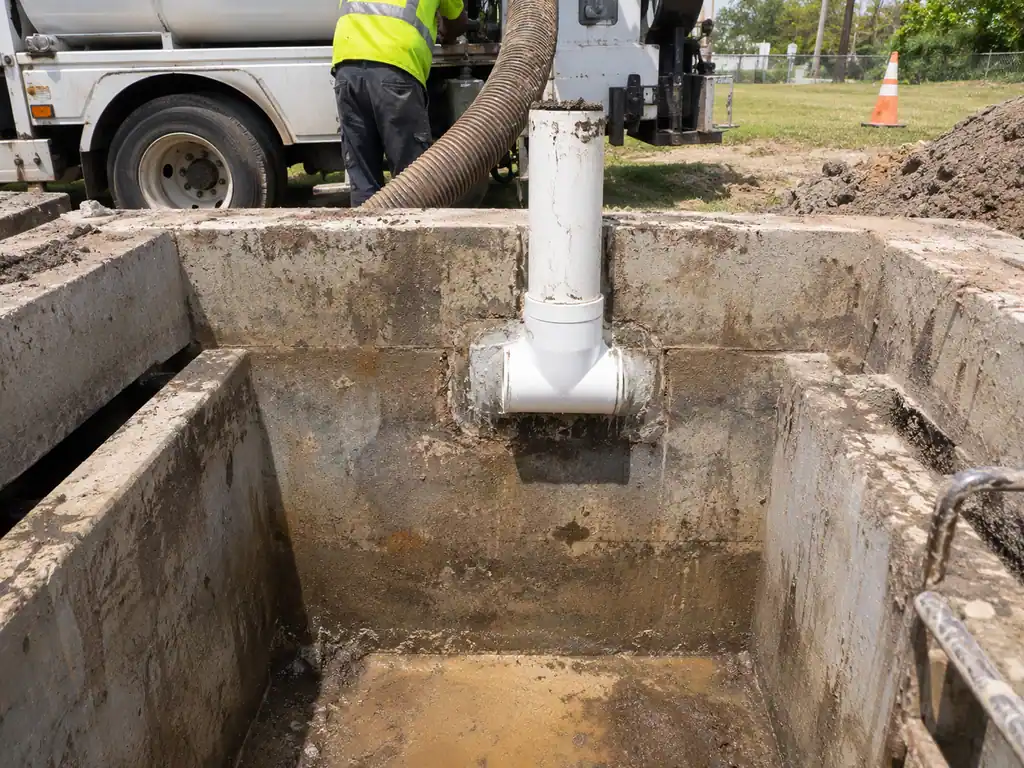
Technician replacing a broken outlet tee inside an emptied grease interceptor in Tampa

Last updated:

Grease Trap Cleaning Tampa handles grease trap repair for restaurants and commercial kitchens across Tampa, Hillsborough, Pinellas and Pasco. Grease trap repair covers the parts that make a trap work: the baffles that slow the flow, the outlet tee that keeps grease from leaving, the flow-control device on indoor traps, the vent, and the lids and risers.

A trap with a broken baffle or a missing outlet tee can be pumped on schedule and still pass grease straight into the sewer. That's often why a kitchen that pumps regularly still gets a violation notice.

What happens on the first visit

  1. Pump and inspect. A full unit hides its problems, so it is pumped and scraped first.
  2. Identify the failure. Baffle, tee, flow-control device, vent, lid or connection.
  3. Write it up. What failed, why it matters, and whether the fix needs a permit.
  4. Fix or schedule. Simple part replacements are done on the spot where possible. Work that needs a permit or a licensed plumbing contractor is flagged before anything starts.

Common grease trap failures

  • Broken or corroded baffle: grease and solids short-circuit to the outlet.
  • Missing or broken outlet tee: floating grease leaves with the water.
  • Missing flow-control device: water runs through the trap too fast for grease to separate. Tampa requires one on every trap (Sec. 26-306(f)(1)).
  • Vent problems: Tampa requires the vent to end at least 6 inches above the flood-rim level, or as the manufacturer specifies.
  • Cracked lids and risers: odor, stormwater getting in, and a safety hazard in a parking lot.

Repair deadlines and permits

After a City of Tampa Notice of Violation, the deadlines are 30 days to repair a grease trap and 60 days to repair an interceptor. Replacement gets 60 days for a trap and six months for an interceptor. Under Tampa Code Sec. 26-306(a), a facility that intends to alter, repair, remove or replace a trap or interceptor must apply for a permit from the building official. Under the ordinance, the hauler also has to notify you in writing if the interceptor isn't working properly. Keep that note: it starts the clock in your favour. If the unit can't be repaired, see grease trap installation.

What's included

  • Unit pumped and scraped before diagnosis
  • Baffles, tees, lids and risers checked
  • Flow-control device and vent checked
  • Written description of each failure
  • Permit needs flagged before work starts
  • Simple part replacements on the spot where possible
  • Repair timeline matched to your violation deadline
  • Re-check after the fix

Pricing and payment

Repairs are quoted per job after the unit is pumped and the failure identified, since parts and permit needs vary. Ask for a written quote before any work starts. Prices on this site are typical market ranges, not quotes.
DIY vs the cheapest hauler vs doing it properly

Comparison of DIY, cheapest hauler and proper service
Factor Do it yourselfCheapest haulerDone properly
What's legal Small indoor traps only, with a written protocol (Tampa) or under 50 lb capacity (Hillsborough County)Pump-and-return is banned statewide, but still happensFull pump-out to empty, as Florida law and every local program require
What gets removed Floating grease you can scoopOften just the top layer and some waterFloating grease, gray water, bottom solids, and buildup scraped off walls and baffles
Paperwork Your own log entryA receipt, sometimesSigned manifest with volume, condition and disposal ticket number
Checked against the rule Rarely measuredNot measuredGrease and solids depth measured against your jurisdiction's limit
Problems spotted Only what you can seeUsually not reportedCracked baffles, missing tees and flow-control issues noted in writing
Real cost Staff time; risk of a failed inspectionLow price, then repeat clogs and re-inspection feesA known price per visit on the schedule your rule sets

How grease trap repair works

  1. Step 1: First call

    Tell us the kitchen's address, what kind of unit you have, and when it was last pumped. We tell you which rule applies and give a price range on the phone.

  2. Step 2: On-site check

    We open the lids, measure grease and solids depth, and look at the baffles, tees and outlet. Ask for a written quote before work starts.

  3. Step 3: Full pump-out

    The unit is pumped to empty, walls and baffles are scraped, and the inlet and outlet are checked for flow.

  4. Step 4: Manifest and schedule

    You get a signed manifest for your logbook and a suggested date for the next visit, set by your rule and how fast the unit filled.

What the work looks like

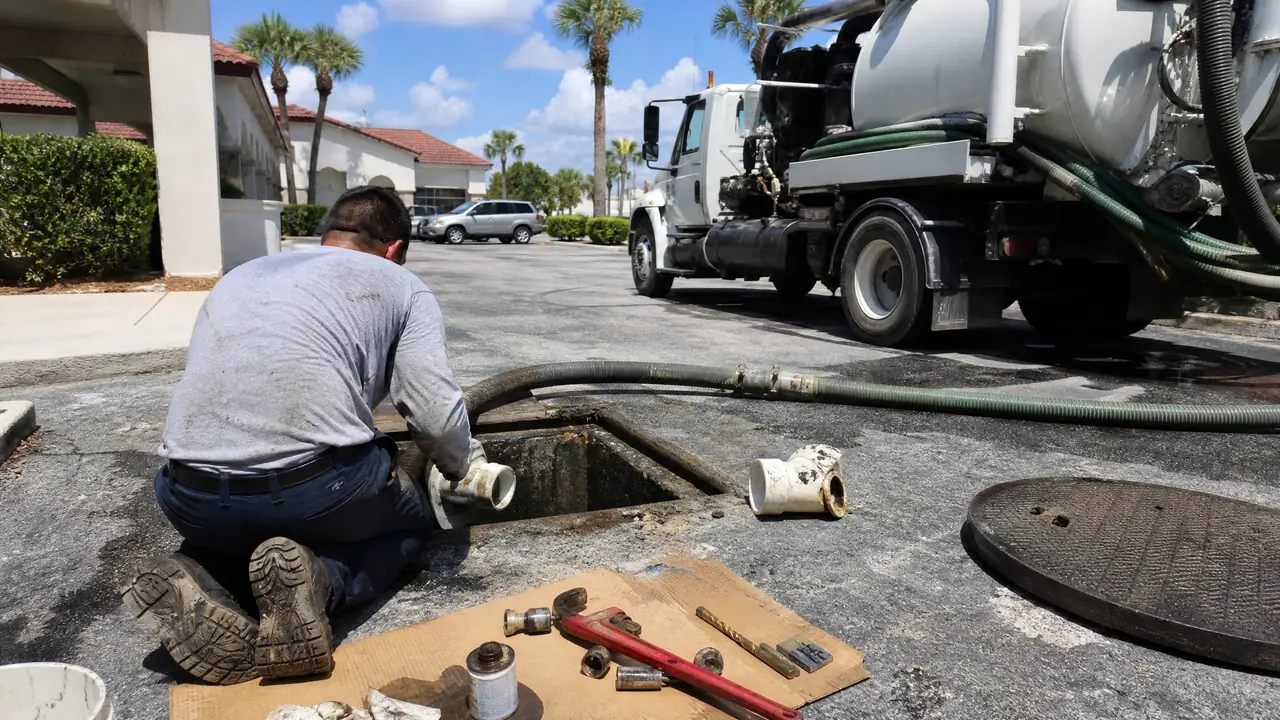
Illustrative photos of the work described on this page.

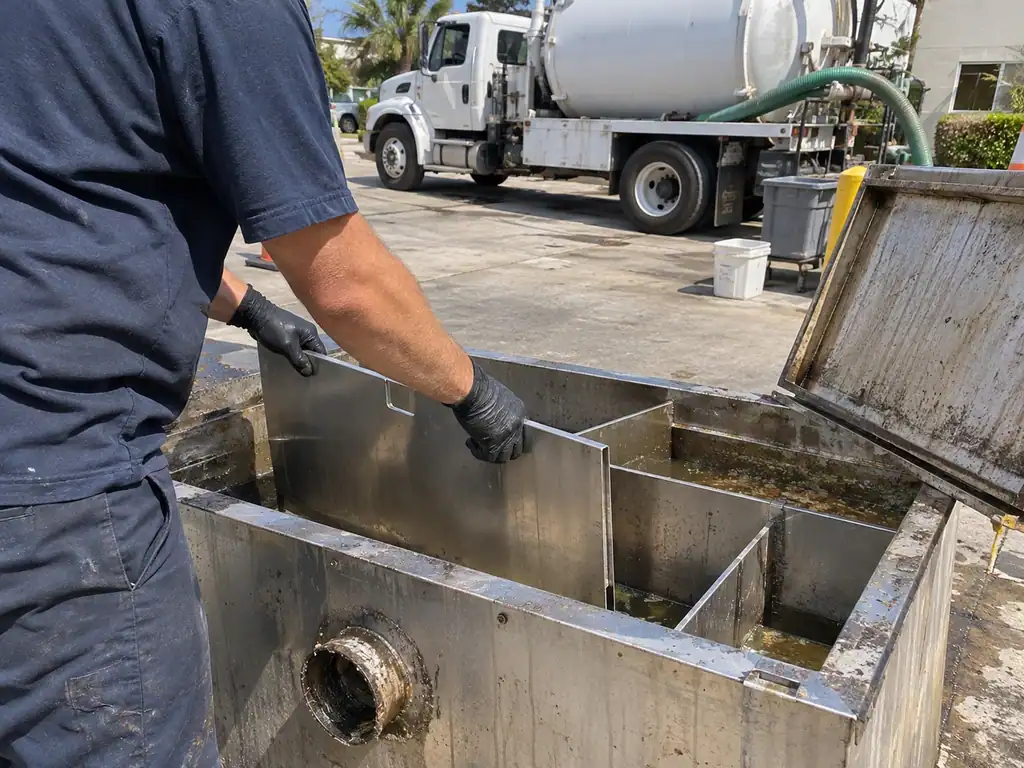
  • New baffle panel being fitted into a small grease trap
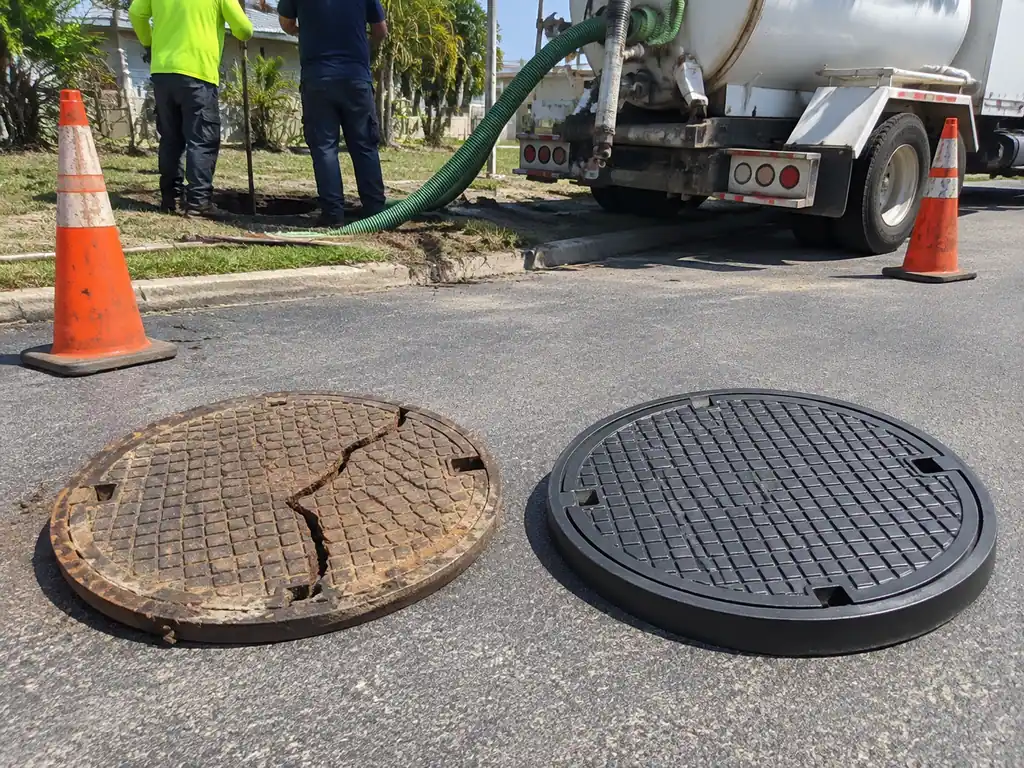
  • Cracked cast-iron interceptor lid lying next to its replacement
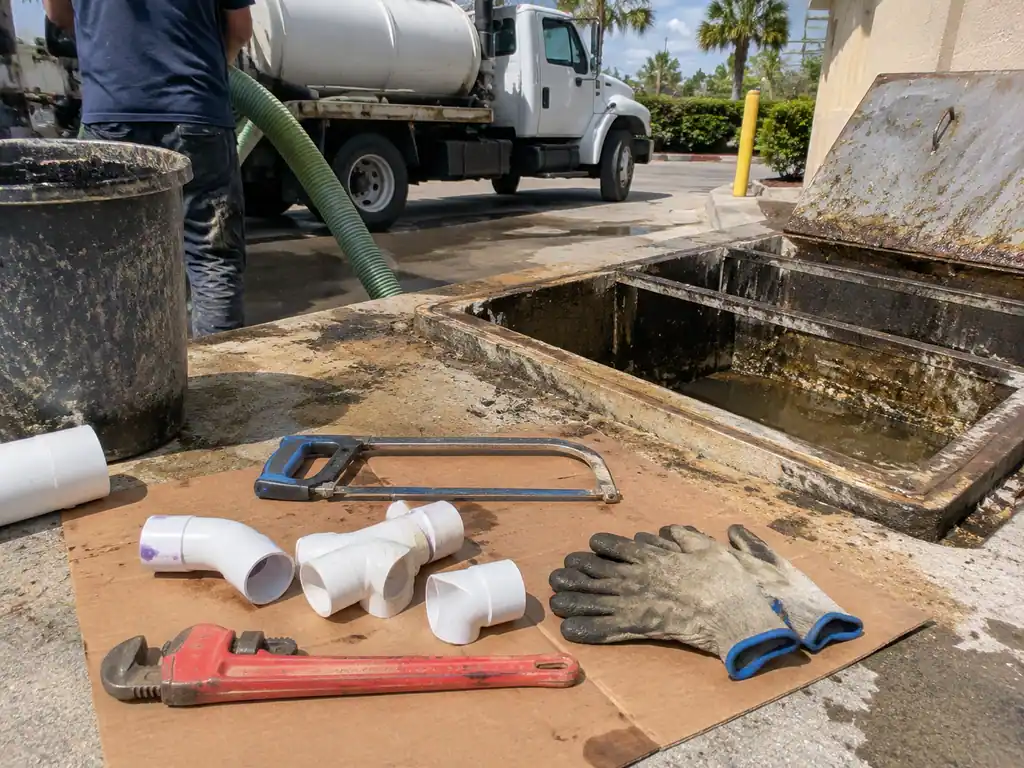
  • Repair tools laid out beside an open grease trap
  • New PVC outlet tee installed inside an emptied grease interceptor

Grease Trap Repair questions

We pump regularly but still failed inspection. Why?

Often a broken baffle or missing outlet tee lets grease go straight through, so the trap never holds it. Pumping on schedule doesn't fix a part that isn't there.

How long do I have to repair a grease trap after a violation in Tampa?

30 days for a grease trap and 60 days for an interceptor. Replacement gets 60 days for a trap and six months for an interceptor.

Does a grease trap repair need a permit?

In the City of Tampa, altering, repairing, removing or replacing a trap or interceptor requires a permit from the building official. Part replacements are scoped on the visit, and anything needing a permit is flagged first.

What is a flow-control device?

A fitting ahead of an indoor trap that limits how fast water enters it, so grease has time to separate. Tampa requires one on every trap, sized to the manufacturer's rated flow.

Do I get paperwork I can show an inspector?

Yes. Every pump-out ends with a signed service manifest showing the date, the volume removed, the condition of the unit, confirmation that nothing was returned to it, and the disposal facility's ticket number. Florida law (F.S. 403.0741) requires you to keep that manifest on site for at least a year, and some local programs ask for three.
Call (727) 476-9241 · Talk to a person about your trap